You raised the money. Now you have to grow.
You sold investors a clear story. Then you went back to the building, the hiring, the customer calls, the dashboards, the half-built roadmap, the Slack messages from your co-founder asking what's next.
The story is still in your head. The week-to-week decisions don't look like it yet.
I work with you for two to four weeks to close that gap. We turn the customer data, product signals and operating mess you already have into a clear set of decisions, priorities, and simple systems your team can actually run.
You raised on a thesis. The investor deck made it sound obvious.
Six weeks later the picture is murkier. Sign-ups are coming in but you're not sure which ones matter. The product roadmap has three competing directions. Your support inbox is full of feedback you haven't synthesised. Your co-founder wants a hiring plan, your investors want a board update, and you're the one who has to decide what the data is actually telling you.
You've tried the obvious things.
Analytics tools give you dashboards. They don't tell you what to do. Agencies are slow and expensive and don't know your business. ChatGPT can summarise, but it doesn't know your customers or the conversation you had last Tuesday. So you end up doing it yourself, at 11pm, on a spreadsheet, with three browser tabs open.
The result: slow decisions, second-guessing, and the slow creeping feeling that you're falling behind on the story you told the people who backed you.
Messy inputs in. Clear decisions out.
I take the messy inputs you already have and turn them into clear decisions and simple systems you can run without me.
That means:
- 01Sitting with your customer interviews, product analytics, support tickets, sales calls, and whatever else is sitting in folders you keep meaning to read, and pulling out what actually matters.
- 02Identifying the one or two decisions that, if you got them right this month, would unblock everything else.
- 03Writing those decisions up in a form you can show your team, your board, and your investors without translating.
- 04Leaving behind a simple operating rhythm so you don't slide back into the same fog next quarter.
It's hands-on, fast, and built for founders who don't have time for a six-week consulting engagement that produces a slide deck nobody reads.
A few things should be true.
- You've closed a seed or pre-seed round in the last twelve months.
- You have some revenue or strong usage signal, enough to know something is working.
- You don't have a head of product, head of growth, or in-house insights team, and you're not ready to hire one.
- You're the person making the calls on product, growth, hiring and priorities, and you can feel the cost of getting any of them wrong.
If that's you, keep reading.
Two to four weeks. One document. One rhythm.
Review & gather
I review everything you have: customer interviews, analytics, product feedback, sales notes, any half-finished research. I run any additional customer or team conversations needed to fill gaps.
The decision document
The two or three things to prioritise, what the evidence says, and what to do next. Not a deck. A document your team can act on tomorrow.
An operating rhythm
A simple operating system: how to keep insight flowing into decisions on a weekly rhythm, without needing me or a new tool.
Fixed fee, agreed upfront. Scope depends on what sits in your stack.
Most founders don't have a data problem. They have a synthesis problem.
The information is already there: in the calls, the inbox, the analytics, the spreadsheet, the team's heads. What's missing is someone whose job is to pull it together, decide what it means, and turn it into a decision.
I do that job, fast, and then I leave you a way to keep doing it yourself.
I've spent over a decade doing this work inside venture-backed teams. I know what good customer research looks like and what's noise. I know which product metrics matter at your stage and which are vanity. I know what your investors are actually looking for in the next update.
You don't have to teach me the language.
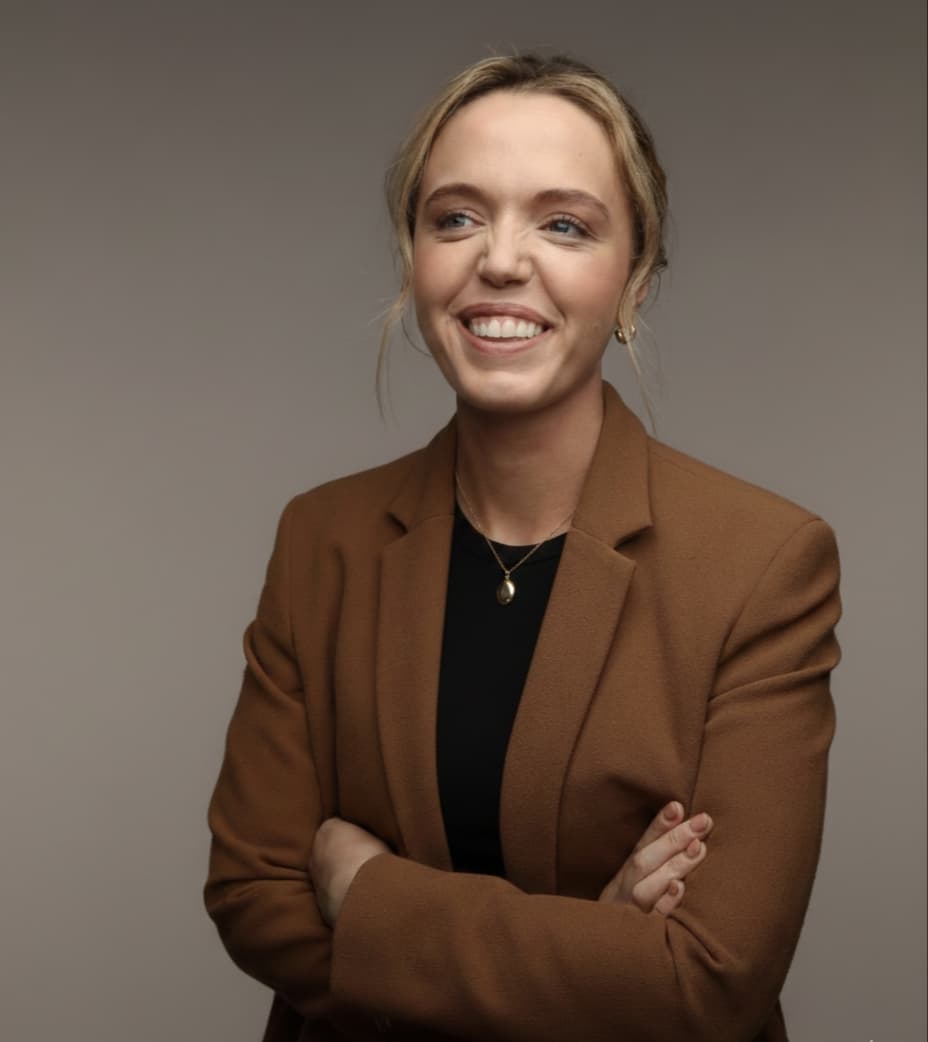
Annabel Lovegrove.
I'm a behavioural psychologist by training and a product and insight lead by practice. I've worked across early-stage and scale-up teams on the decisions that actually move the business: which customers to chase, which features to ship, which channels to invest in, when to hire.
Most recently led product strategy and behavioural insights at Ziyx, a funded AI platform — built the persona system behind the personalisation engine and the investor materials behind a £1M+ round. Before that, Junior Chief of Staff at Moteefe through a heavy growth phase. The decisions you're making right now, I've sat in the room for.
I started doing this on the side because founders kept asking me. Now I do it full-time, for a small number of companies at once, so the work stays sharp and personal.
One thirty-minute call.
- 01
Book a free 30-minute call.
We talk about where you are, what you're trying to decide, and whether this is the right fit.
- 02
If it's a fit, you get a proposal within 24 hours.
Fixed-fee, scoped to what you actually need. We start the following week.
- 03
If it isn't a fit, I'll tell you what to do instead.
Half my conversations end this way. The advice is free and it's worth having.
Common questions.
How is this different from a consultant?
A consultant studies the business and writes you a report. I work alongside you for a couple of weeks, make the decision document with you, and leave you a way to keep doing it. The output is decisions you act on, not a deck you file.
How is this different from an agency?
Agencies execute a function: design, marketing, growth. I help you decide what to do before you hire anyone to execute. Often the answer is "you don't need an agency yet, you need to focus."
How is this different from using ChatGPT?
ChatGPT is a great tool. It doesn't know your customers, your team, or the conversation you had with your last churned account. The work that matters happens in the synthesis: the part that needs judgement, not summarisation.
Do I need to give you access to everything?
You give me access to what's relevant. Customer interviews, analytics, product feedback, anything sitting in folders. I work with what you have. I'll tell you fast if I'm missing something I need.
What if I'm not ready?
Book a call anyway. Half my conversations end with "you're not ready yet, here's what to do first." That's free advice and it's worth having.
You raised so you could move faster. Right now you're moving slower.
This is the work that gets you back to moving fast. It takes two to four weeks. The first call is free.
Book a 30-min call →